
If you’ve ever tried building something from wood — maybe a small shelf, a coffee table, or even a DIY cabinet — you probably experienced one of the biggest frustrations in woodworking:
Getting wood pieces to stay together properly.
At first it seems simple. You grab some screws, maybe some nails, add a bit of glue… and start assembling your project.
But then something unexpected happens:
- The wood splits.
- The boards move out of alignment.
- The joint feels weak.
- The project looks messy.
Suddenly, the beautiful idea you had in your mind starts turning into a frustrating puzzle.
The truth is that wood joints are the heart of every woodworking project. If the joints are weak, the entire project becomes weak.
This is exactly why professional woodworkers and experienced DIY builders rely on a clever tool called a pocket hole jig.
This small device might look simple, but it completely changes the way wood pieces are joined together. It allows you to create strong, hidden, and perfectly aligned joints in just minutes.
And the best part?
Even beginners can use it to build furniture that looks like it came from a professional workshop.
In this complete guide, we’ll explore everything you need to know about pocket hole jigs, including:
• What a pocket hole jig actually is
• Why woodworkers love this technique
• How pocket hole joinery works
• The best pocket hole jigs you can buy
• Fun projects you can build with it
• Expert tips for perfect joints
By the end of this article, you might discover one of the most useful woodworking tools you’ll ever own.
What Is a Pocket Hole Jig?
A pocket hole jig is a woodworking tool that helps you drill angled holes into wood so that two boards can be joined together using screws.
The angled hole is called a pocket hole, and the method is known as pocket hole joinery.
Instead of driving screws directly through the face of the wood, the jig guides your drill bit at a precise angle — usually around 15 degrees.
Once the hole is drilled, a screw is driven through that angled hole into another piece of wood. As the screw tightens, it pulls the boards tightly together.
The result is a joint that is:
• Strong
• Fast to create
• Clean and professional looking
• Mostly hidden from view
This technique is widely used in:
• Cabinet building
• Furniture making
• DIY woodworking projects
• Home improvement projects
Many modern furniture pieces are actually assembled using pocket hole joinery because it is both efficient and reliable.
Why Woodworkers Love Pocket Hole Joinery
Woodworking has many traditional joinery methods such as:
• Mortise and tenon joints
• Dowel joints
• Biscuit joinery
• Hand-cut traditional joints
These methods are beautiful and extremely strong, but they often require specialized tools, careful measurements, and years of practice.
Pocket hole joinery became popular because it offers something very different:
Speed, simplicity, and reliability.
Instead of complicated cuts, the process becomes very simple.
You just:
- Drill an angled hole
- Align the boards
- Drive a screw
And within seconds, you have a strong joint.
That’s why many professional cabinet makers and furniture builders use pocket hole jigs every day in their workshops.
Best Pocket Hole Jigs for Your Workshop
If you’re thinking about getting a pocket hole jig, here are some of the most popular and reliable options used by woodworkers around the world.
Kreg K4 Pocket Hole Jig System (Most Popular)
The Kreg K4 Pocket Hole Jig System is one of the most trusted pocket hole tools available today.
It’s widely used by both beginners and professional furniture builders.
You can check it here:
https://www.amazon.com/dp/B001DYFISG
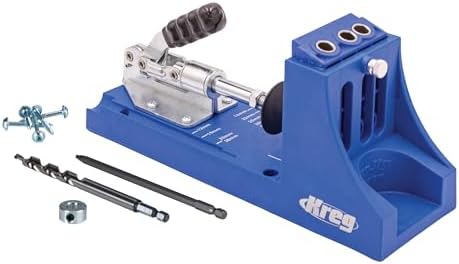
- Easy Woodworking Tools: Kreg pocket-hole joinery is the fast, strong, easy way to join wood-drill, drive, and done
- Adjustable Pocket-Hole Jig: The Pocket-Hole Jig K4 gives you the precision and adjustability of a proven, time-tested po…
- Customizable Setup: This pocket-hole jig has a 3-hole drill guide for pocket holes, perfect for use with materials from …
What makes this jig so popular?
• Adjustable drilling guides
• Heavy-duty construction
• Built-in clamping system
• Consistent and accurate drilling
Most kits include everything needed to start pocket hole joinery immediately.
Massca Aluminum Pocket Hole Jig Kit (Heavy Duty Option)
If you want something even stronger, the Massca Aluminum Pocket Hole Jig System is a fantastic choice.
Unlike plastic jigs, this one is built from solid aluminum, making it extremely durable.
Check it here:
https://www.amazon.com/dp/B07NQFJQBB
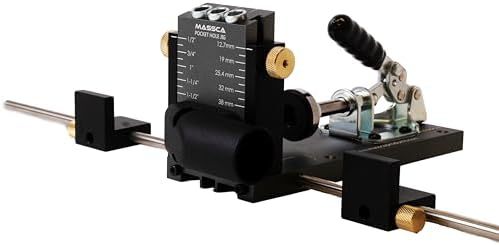
- Heavy-Duty Aluminum Body – The Massca pocket hole jig set uses a well-balanced aluminum frame to ensure a reliable woodw…
- Dust Spout Connector & T-Track Slot – Easily capture loose debris, particles, and sawdust while creating your pocket hol…
- Adjustable Depth Setting – Each pocket hole jig kit features an easy drill depth knob to let quickly adjust to the thick…
Woodworkers like it because it offers:
• High durability
• Precision drilling guides
• Excellent clamping stability
• Long-term reliability
Milescraft PocketJig 200 Kit (Great Budget Choice)
If you’re just starting woodworking, the Milescraft PocketJig 200 Kit is a very affordable and beginner-friendly option.
View it here:
https://www.amazon.com/dp/B07BQZ8G4Q

- Height adjustable bushing blocks contain two, 3/8″ steel drill guides that can be positioned for drilling boards from 1/…
- Drill guides adjust horizontally to position holes between 3/4” and 3” apart
- Laser etched markings in inches and metric
It’s small, portable, and perfect for hobby woodworking projects.
How a Pocket Hole Jig Works (Step-by-Step)
Using a pocket hole jig is surprisingly easy.
Here’s the basic process.
Step 1 — Clamp the Wood
Place the wood board into the jig and secure it using a clamp.
This prevents movement during drilling.
Step 2 — Drill the Pocket Hole
Using the included step drill bit, drill through the jig guide hole.
The jig ensures the hole is drilled at the correct angle and depth.
Step 3 — Align the Boards
Position the boards exactly where they should connect.
Make sure the edges are flush and aligned.
Step 4 — Drive the Screw
Drive a pocket hole screw through the angled hole into the second board.
As the screw tightens, it pulls both boards together tightly.
The result is a strong and reliable joint.
Fun Woodworking Projects You Can Build
One of the best things about pocket hole joinery is how many projects you can build with it.
Here are some fun ideas.
Floating Wall Shelves
A simple floating shelf is a great beginner woodworking project.
Pocket holes allow you to attach supports securely and quickly.
Coffee Tables
Coffee tables are among the most popular DIY woodworking builds.
Pocket hole jigs make it easy to connect legs and frames.
Storage Cabinets
Many cabinet makers rely heavily on pocket hole joinery.
It allows panels and frames to be assembled quickly and efficiently.
Wooden Picture Frames
Even small projects benefit from tight and accurate joints.
Pocket hole screws help keep corners square.
Workbench Frames
Workbenches require strong joints.
Pocket hole joinery combined with wood glue creates extremely durable frames.
Pro Tips for Perfect Pocket Hole Joints
Even though pocket hole joinery is simple, a few tips can help you get even better results.
Use Pocket Hole Screws
These screws are designed specifically for angled joinery and hold joints much more securely.
Clamp Your Boards
Clamping prevents pieces from shifting when the screw is driven.
This ensures perfect alignment.
Adjust for Wood Thickness
Pocket hole jigs allow you to adjust drilling depth depending on wood thickness.
This prevents screws from going through the other side.
Add Wood Glue
While pocket hole joints are strong by themselves, adding wood glue makes them even stronger.
Why Beginners Should Start With a Pocket Hole Jig
If you’re new to woodworking, a pocket hole jig can make learning the craft much easier.
Instead of struggling with complicated joinery techniques, you can focus on the fun part of woodworking:
Designing and building projects.
Many DIY builders start their woodworking journey by building:
• Small tables
• Bookshelves
• Storage units
• Wall shelves
With a pocket hole jig, these projects become faster, easier, and far more enjoyable.
It removes many of the frustrations that beginners experience.
Final Thoughts
Woodworking doesn’t have to be complicated or frustrating.
Tools like pocket hole jigs make it possible for beginners and professionals alike to build strong, beautiful projects quickly.
Whether you’re building furniture, cabinets, shelves, or DIY home décor, this simple tool can dramatically improve your results.
Many woodworkers say that discovering pocket hole joinery was the moment when woodworking became truly fun.
If you plan to build furniture regularly, a good pocket hole jig is one tool that absolutely deserves a place in your workshop.
Recommended Pocket Hole Jig
Check the latest price here:
Kreg K4 Pocket Hole Jig
https://www.amazon.com/dp/B001DYFISG
- Easy Woodworking Tools: Kreg pocket-hole joinery is the fast, strong, easy way to join wood-drill, drive, and done
- Adjustable Pocket-Hole Jig: The Pocket-Hole Jig K4 gives you the precision and adjustability of a proven, time-tested po…
- Customizable Setup: This pocket-hole jig has a 3-hole drill guide for pocket holes, perfect for use with materials from …
Affiliate Disclosure:
WoodCraftCorner may earn a commission from qualifying purchases. This helps support our woodworking guides and tutorials at no additional cost to you.
