Woodworking Tools Buying Guide: What to Buy, in What Order, at What Price
Buying tools in the right order saves money and frustration. This hub lays out a staged plan — from first kit to furniture shop — and links every tool buying guide on the site.
 By WoodCraft Corner Editorial TeamResearched from published sources
7 min read
Beginner Updated Oct 31, 2026
When buying woodworking tools, go in stages, driven by projects. Stage 1: safety gear, a combination square, tape measure, clamps, a cordless drill/driver, a circular saw or Japanese pull saw and a random orbit sander. Stage 2: a table saw or track saw, a router and a sharpening kit with chisels. Stage 3: a miter saw, band saw and dust collection. Stage 4: a jointer and planer for rough lumber. Buy one battery platform, spend most on tools that determine accuracy, and buy the rest as projects demand.
- Let projects decide the next tool, not ads
- Spend on accuracy (fence, saw, square) before speed
- Pick one cordless battery platform and stay with it
- Safety gear is part of stage one, not an extra
- Used machines can be great value if you know what to check
On this page (22 sections)
- The four stages at a glance
- Stage 1: The starter kit
- Stage 2: First furniture
- Stage 3: A productive shop
- Stage 4: Working from rough lumber
- A first-year buying timeline
- Tools for small spaces
- Budget examples for each stage
- Buying woodworking tools: where to spend and where to save
- Buying by the projects you want to build
- Corded, cordless or hand tools?
- How to judge quality when shopping
- Tools you probably don’t need yet
- New vs used
- Safety gear belongs on every list
- Maintaining tools you buy
- When to buy
- Every tool buying guide
Every woodworker has a drawer of tools they bought too early — the router bit set never used, the specialist plane that looked essential. Buying tools in the right order avoids that drawer. It’s like building a house: foundation first, walls next, finishes last. The foundation of a shop is accurate measuring, safe cutting and good clamping.
This guide is the hub for every tool buying guide on WoodCraft Corner. It gives you a staged plan, explains where to spend and where to save, and links to the detailed guide for each tool. If you’re shopping during the holiday sales, read our Black Friday tool deals guide alongside it.
The four stages at a glance
| Stage | What it unlocks | Core tools |
|---|---|---|
| 1. Starter kit | Shelves, boxes, simple plywood projects | Safety gear, square, tape, clamps, drill/driver, circular saw or pull saw, sander |
| 2. First furniture | Tables, cabinets, accurate joinery | Table saw or track saw, router, chisels, sharpening kit |
| 3. Productive shop | Repeatable cuts, curves, cleaner air | Miter saw, band saw, dust collection, more clamps |
| 4. Rough lumber | Milling your own boards, choosing your own grain | Jointer, thickness planer, moisture meter |
Stage 1: The starter kit
Everything here gets used on every project for the rest of your woodworking life.
- Safety: safety glasses, earmuffs and a dust mask or respirator. See our safety 101 guide.
- Measuring and marking: a tape measure, a combination square and a sharp pencil or marking knife.
- Clamping: at least four bar clamps — you will want more.
- Drilling and driving: a cordless drill/driver, ideally in a kit with an impact driver.
- Cutting: a circular saw with a straightedge for sheet goods, and a Japanese pull saw for smaller cuts.
- Sanding: a random orbit sander.
-
1
 Best starter bundle DEWALT 20V MAX Drill and Impact Driver Combo Kit (DCK240C2)Buy
$239.00$129.00 as of Nov 1, 12:54 AM -
2
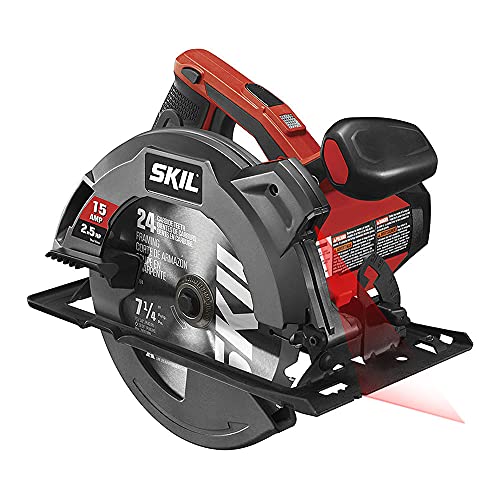 Best budget saw SKIL 15 Amp 7-1/4" Circular SawBuy
$69.99$59.00 as of Nov 1, 12:54 AM -
3
 Best first sander DeWalt 5-inch Random Orbit Sander $79.00 as of Nov 1, 12:54 AMBuy
-
4
 Buy once, cry once Starrett 12-inch Combination Square $127.89 as of Oct 31, 6:00 PMBuy
-
5
 Best value Irwin Quick-Grip One-Handed Bar ClampsBuy
$44.05$27.79 as of Nov 1, 12:54 AM
A detailed, priced shopping list is in our woodworking starter kit on a budget, and budget-friendly picks are in best woodworking tools under $100.
Choosing a battery platform
Your first cordless kit is really a choice of battery system — every future cordless tool will use it. Pick a brand with the tools you’ll want later (circular saw, sander, router, track saw) and stay with it. Our battery platforms comparison and cordless drill guide go deeper.
Stage 2: First furniture
This is where precision begins.
Table saw or track saw
A table saw rips solid wood quickly and accurately and cuts repeatable parts; a track saw breaks down plywood with almost no floor space. Compare them in track saw vs table saw, then read the table saw buying guide.
| Product | Best for | Key specs | Price | Buy |
|---|---|---|---|---|
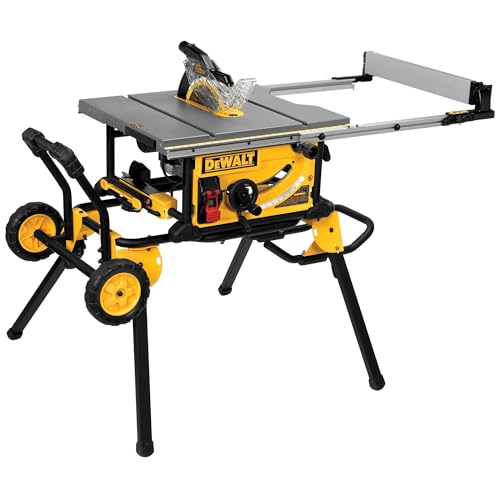 DEWALT DWE7491RS 10-inch Table Saw |
Garage and small shops |
|
$599.00 as of Nov 1, 12:54 AM | Buy on Amazon |
 SKIL 10-inch Jobsite Table Saw with Folding Stand (TS6307) |
|
Buy on Amazon | ||
 Makita SP6000J Track Saw |
Breaking down full sheets of plywood |
|
$519.00 as of Nov 1, 12:54 AM | Buy on Amazon |
Amazon prices updated 1 h ago · Details
Router
A router cuts rabbets, dados, grooves and decorative edges, and a compact one is easy to learn. See our router guide.
Chisels and sharpening
Chisels clean up joints and fit hinges — but only when they’re sharp. Buy a sharpening kit at the same time. Our chisel guide and sharpening systems comparison explain what you need.


Stage 3: A productive shop
- Miter saw for fast, square crosscuts — see the miter saw buying guide.
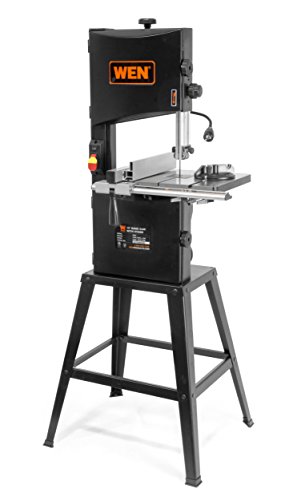
- Band saw for curves, small parts and resawing — see the band saw buying guide.
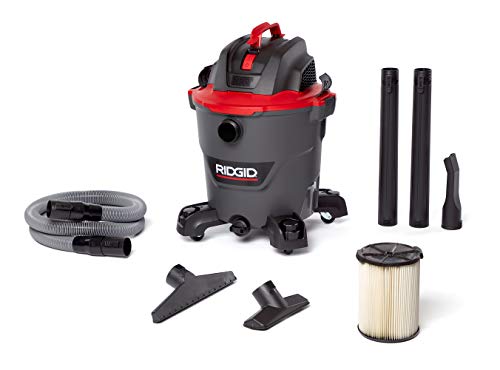
- Dust collection for health and cleanliness — see our dust collector guide.
- More clamps, including long ones for tabletops.

Stage 4: Working from rough lumber
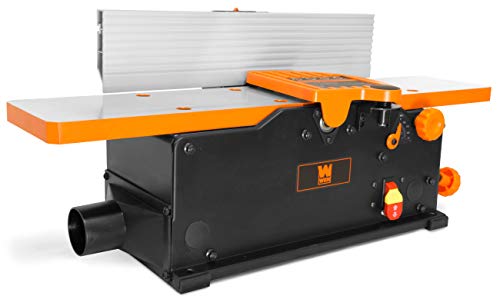
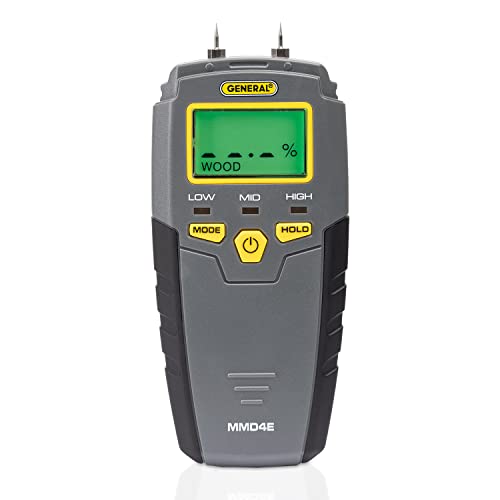
Buying rough lumber is cheaper and lets you pick the grain, but it needs a jointer and planer to make boards flat and square. Add a moisture meter so you never build with wet wood. See our milling guide.

A first-year buying timeline
| When | Buy | Build |
|---|---|---|
| Month 1 | Safety gear, square, tape, clamps, drill, pull saw, sander | Cutting board, coasters |
| Months 2–3 | Circular saw and straightedge, more clamps | Planter, shelves, workbench |
| Months 4–6 | Router, chisels and a sharpening kit | Boxes, picture frames, bookshelf |
| Months 7–9 | Table saw or track saw | Side table, cabinet |
| Months 10–12 | Miter saw or band saw, dust collection | Coffee table, holiday gifts |
Your timeline will differ — the point is that each purchase follows a project.
Tools for small spaces
If you work in an apartment, a spare room or a shared garage, choose tools that pack away and make little dust or noise: a track saw instead of a table saw, a benchtop band saw, a compact router, a good set of hand tools and a dust extractor. Mobile bases and folding stands make larger tools practical in small shops. Our one-car garage layout guide shows how to fit a full furniture shop into a small space.
Budget examples for each stage
| Stage | Typical spend range | Notes |
|---|---|---|
| 1. Starter kit | A few hundred dollars | Less if you own a drill or buy used |
| 2. First furniture | Several hundred to over a thousand | Saw choice drives the cost |
| 3. Productive shop | Several hundred to a few thousand | Spread over time |
| 4. Rough lumber | Several hundred to a few thousand | Benchtop machines keep it lower |
Prices vary widely by brand and season. The point is to spread spending over years, project by project, rather than buying a full shop at once.
Buying woodworking tools: where to spend and where to save
| Spend more on | Why | Save on | Why |
|---|---|---|---|
| Table saw fence, saw blades | Accuracy and safety | Chisel sets with many sizes | You use three or four |
| Squares and marking tools | Every cut depends on them | Router bit sets | Buy the few bits you need |
| Clamps (quantity) | Glue-ups fail without enough | Specialty jigs | Build many yourself |
| Hearing and lung protection | Damage is permanent | Cases and storage | Shop-made works well |
Beginner tip: a cheap tool that frustrates you costs more than a good one, because you end up buying both. Buy fewer, better tools.
Buying by the projects you want to build
| If you want to build… | You’ll need |
|---|---|
| Shelves, planters, simple storage | Stage 1 kit |
| Cabinets and built-ins from plywood | Stage 1 + track saw or table saw, pocket-hole jig, more clamps |
| Tables and chairs from solid wood | Stage 2 + chisels, router, miter saw |
| Boxes and fine joinery | Japanese saws, marking gauge, chisels, block plane, sharpening kit |
| Cutting boards and kitchen items | Clamps, table saw or band saw, sander, router |
| Turned bowls and pens | Lathe, turning tools, sharpening |
| Furniture from rough lumber | Stage 4 — jointer, planer, moisture meter |
Corded, cordless or hand tools?
Each has a place. Cordless tools excel for portable jobs: drilling, driving, nailing and breaking down sheets. Corded tools suit long sessions and stationary machines, and usually cost less. Hand tools are quiet, precise and often the fastest way to fit a joint or clean up a surface. Most woodworkers end up with a mix: a cordless platform for portable tools, corded machines for heavy work and a set of hand tools for finesse.
How to judge quality when shopping
- Fences and bases: they should be rigid and lock square — flex here ruins accuracy.
- Adjustments: smooth, positive, and stay put when locked.
- Specifications: compare motor type, capacity and included accessories, not just names.
- Parts and support: can you buy blades, belts, brushes and batteries easily?
- Warranty: longer warranties from established brands are a good sign.
- Reviews over time: look for owners describing months or years of use.
Tools you probably don’t need yet
Every woodworker is tempted by specialist tools. Wait on these until a project demands them: a drum sander, a large dust collection system with ducting, specialist planes, a domino-style joiner, a CNC router and large router bit sets. They’re all excellent tools — for the right shop at the right time.
New vs used
Hand tools and older cast-iron machines often offer superb value used. Check planes and chisels for cracks and pitting, and machines for wobble, bearing noise and missing parts. Run them before paying. Restoring a vintage tool is rewarding — see our plane restoration guide. Batteries, chargers and safety equipment are better bought new.
Safety gear belongs on every list
Every stage of this plan includes protection: eye and hearing protection from day one, push blocks with the table saw, a respirator and dust collection as sanding increases, and a fire extinguisher and first aid kit in every shop. Safety gear is inexpensive compared with any machine — and it protects the one thing in your shop you can’t replace. See our safety 101 guide.
Maintaining tools you buy
A tool’s value depends on how it’s kept. Clean blades and bits, wax cast-iron surfaces, keep edges sharp, store batteries indoors and check alignment on machines regularly. A well-kept tool lasts decades and keeps its resale value. See our tool maintenance guide.
When to buy
Tool prices follow a yearly rhythm. The biggest discounts on combo kits and machines usually arrive between Black Friday and Cyber Monday (November 27–30 in 2026), with more sales in spring and around Father’s Day. Whatever the season, check a tool’s price history before you buy — see how to spot a real tool deal.
Every tool buying guide
- Saws: table saws, miter saws, band saws, circular saws, track saws
- Drilling and driving: cordless drills, battery platforms
- Shaping: routers, palm routers, lathes
- Surfacing: random orbit sanders, jointers
- Sharpening: sharpening systems
- Budget and gifts: tools under $100, gifts for woodworkers, stocking stuffers
Pro note: keep a running “next tool” list tied to projects. When a sale arrives, you buy exactly what your next build needs — and nothing that ends up in the drawer.
Questions woodworkers ask
What woodworking tools should I buy first?
Safety glasses and hearing protection, a tape measure and combination square, four clamps, a cordless drill/driver, a circular saw or Japanese pull saw, and a random orbit sander.
Should I buy a table saw first?
Not necessarily. A circular saw with a straightedge or a track saw handles sheet goods and many first projects. A table saw becomes worthwhile once you build furniture from solid wood.
How much does it cost to start woodworking?
A useful starter kit can be put together for a few hundred dollars. A full furniture shop with machines costs several thousand, spread over years.
Is it worth buying used woodworking tools?
Often, yes — especially hand tools and cast-iron machines. Check for cracks, play in bearings and missing parts, and run machines before buying.
When is the best time to buy tools?
Black Friday through Cyber Monday brings the deepest discounts on combo kits and machines. Spring and Father’s Day sales are good too.
Gear from this guide

WoodCraft Corner Editorial Team
WoodCraft Corner is an independent woodworking publisher. Our guides are researched from manufacturer documentation, published safety guidance and established woodworking references, and we update them when sources change or readers report a problem.

0 comments