Table Saw Buying Guide: Jobsite, Contractor, Hybrid and Cabinet Saws Compared
The table saw is the heart of most furniture shops — and the most important machine to choose well. This guide explains the four classes of saw, what really matters and how much to spend.
 By WoodCraft Corner Editorial TeamResearched from published sources
7 min read
Beginner Updated Nov 3, 2026
When buying for most home shops, a quality jobsite table saw with a rack-and-pinion fence and riving knife is the best first table saw: it folds away, handles 3/4" hardwood and plywood, and costs far less than stationary saws. Choose a hybrid or cabinet saw if you have permanent space, a 240V circuit (for many cabinet saws) and plan to cut lots of thick hardwood. The fence, blade and safety features matter more than horsepower.
- The fence decides accuracy more than the motor does
- Jobsite saws suit small shops; cabinet saws suit dedicated shops with power to spare
- Always choose a saw with a riving knife and a usable blade guard
- Budget for a quality blade, push blocks and outfeed support
- Measure infeed and outfeed space before you buy
On this page (21 sections)
- The four classes of table saw
- What really matters
- Our picks for home shops
- Budget for the extras
- Jobsite saw stands and portability
- Safety technology in more detail
- Blades for a new table saw
- Used table saws
- Space planning
- When to upgrade from a jobsite saw
- Electrical needs
- Table saw buying checklist
- Common first-saw mistakes
- Table saw vs track saw vs circular saw
- After it arrives: set up before you cut
- Beginner, intermediate, pro
If the workbench is the shop’s anvil, the table saw is its engine. It rips boards to width, crosscuts parts square, cuts joinery and sizes panels — faster and more accurately than almost any other tool. It also demands respect, which is why choosing a saw with the right safety features is as important as choosing one with the right capacity.
This is the hub for table saws on WoodCraft Corner. It sits inside our woodworking tools buying guide and links to setup, safety and jig guides for once your saw arrives. Shopping in November? See our Black Friday tool deals guide.
| Product | Best for | Key specs | Price | Buy |
|---|---|---|---|---|
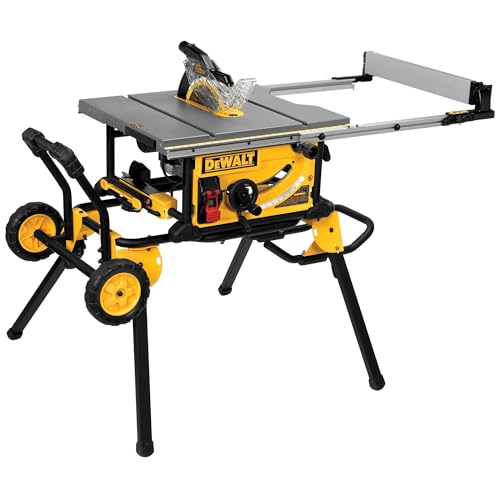 DEWALT DWE7491RS 10-inch Table Saw |
Best jobsite table saw |
|
See price | Check price on Amazon |
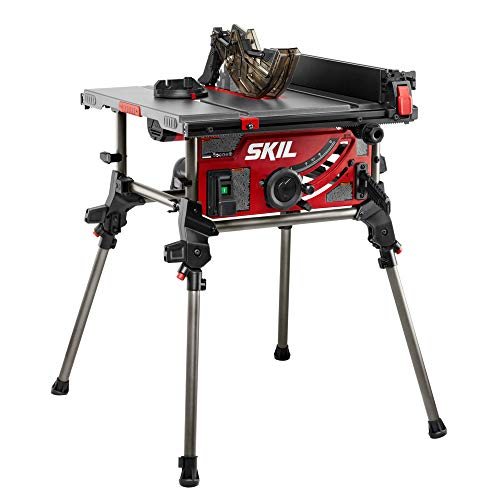 SKIL 10-inch Jobsite Table Saw with Folding Stand (TS6307) |
Best budget table saw |
|
See price | Check price on Amazon |
 Makita SP6000J Track Saw |
Alternative for sheet goods |
|
See price | Check price on Amazon |
The four classes of table saw
| Type | Best for | Strengths | Trade-offs |
|---|---|---|---|
| Jobsite (portable) | Garages, small shops, DIY and furniture | Light, folds away, affordable, 120V | Small table, limited rip capacity, louder universal motor |
| Contractor | Hobby shops on a budget | Larger cast-iron table, belt drive | Open base hard to dust-collect; less common new |
| Hybrid | Serious hobby shops | Enclosed cabinet, smoother, quieter, often 120V | Heavy, needs permanent space |
| Cabinet | Dedicated shops, heavy hardwood | Most power and mass, smooth and precise | Expensive, very heavy, often needs 240V |
Beginner tip: most people should start with a quality jobsite saw. It does 90% of what a cabinet saw does in a fraction of the space.
What really matters
1. The fence
The fence decides whether every rip is parallel and repeatable. Look for a fence that locks firmly, stays parallel to the blade and reads accurately. Rack-and-pinion fences on jobsite saws move smoothly and stay parallel. A flimsy fence makes every other feature irrelevant.
2. Safety features
- Riving knife: rises and falls with the blade and keeps the kerf open — the most important anti-kickback feature.
- Blade guard and anti-kickback pawls: use them whenever the cut allows.
- Flesh-sensing technology: some saws stop the blade on skin contact. It protects against contact injuries but not kickback, so safe habits still matter.
Learn how to use these properly in our table saw safety and setup guide.
3. Rip capacity
The distance from blade to fence at its widest setting. Cutting full sheets of plywood in half lengthwise needs about 24"+. Many jobsite saws offer enough for most furniture; for sheet goods, a track saw is often better anyway.
4. Motor and power
Jobsite saws use direct-drive universal motors — powerful but loud. Hybrids and cabinet saws use induction motors and belts — quieter and smoother on thick hardwood. For 3/4" stock and occasional 8/4 hardwood, a good jobsite saw with a sharp blade is enough.
5. Table, miter slots and dust collection
Standard 3/4" miter slots let you use sleds and jigs. A larger table makes crosscuts safer. A dust port that connects to a shop vac or collector makes the saw far cleaner to use.
Our picks for home shops
Both run on standard household power and fold onto rolling stands — ideal for a one-car garage shop.
Budget for the extras
The saw is only part of the purchase. Plan for:
- A quality blade — the stock blade is often the weakest part.
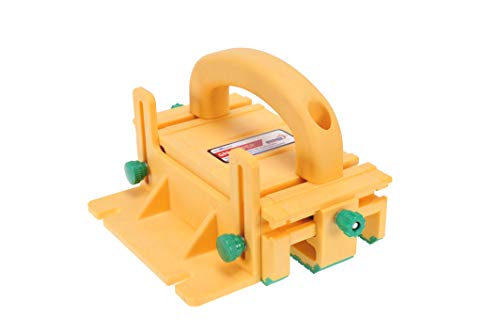
- Push blocks and push sticks.
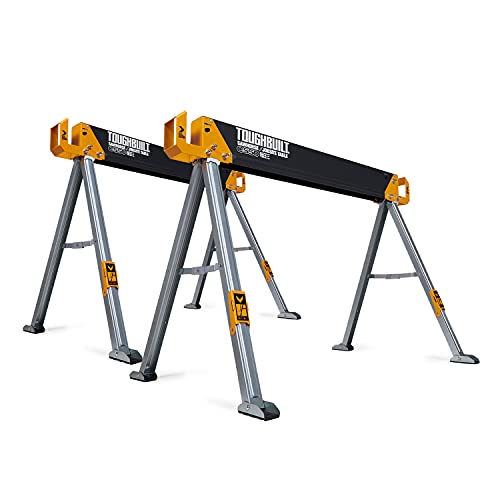
- Outfeed support — a roller stand, sawhorses or a mobile workbench with saw insert.
- Dust collection — a shop vac at minimum.
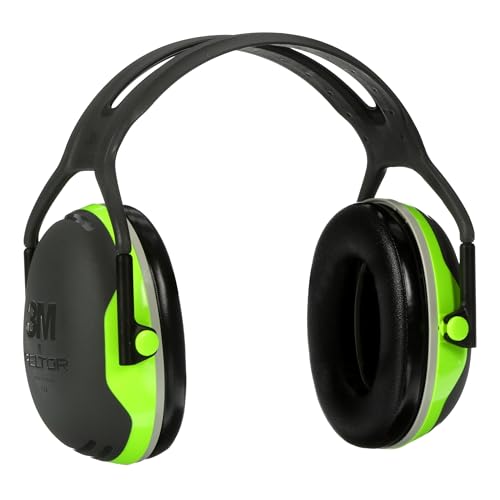
- Hearing and eye protection.

Jobsite saw stands and portability
Most jobsite saws come with a folding stand, and the design matters. A gravity-rise or rolling stand lets one person fold the saw and wheel it into a corner — a big advantage in a garage shop. Check the stand’s stability at full height, how easily it folds and whether the wheels handle your floor. If you build a mobile workbench with a saw insert instead, the saw sits flush with a large worktop that doubles as outfeed and side support.
Safety technology in more detail
Every modern table saw should have a riving knife: a curved plate behind the blade that moves up and down with it, keeping the cut open so the wood can’t close on the back of the blade and kick back. Use it for every through-cut. A blade guard covers the blade and keeps hands away; modern guards are designed to be quick to remove and refit, so there’s less temptation to leave them off. Anti-kickback pawls dig into the wood if it starts moving backward.
Some saws add flesh-sensing technology that detects skin contact and stops or retracts the blade almost instantly. It’s a valuable layer of protection against contact injuries, but it doesn’t prevent kickback, and it’s not a reason to relax other habits. Whatever saw you buy, use push sticks for narrow rips, stand to the side of the blade and never reach over a spinning blade.
Blades for a new table saw
| Blade | Teeth (10") | Best for |
|---|---|---|
| Rip blade | About 24–30 | Ripping thick solid wood |
| Combination / general purpose | About 40–50 | Rips and crosscuts — the everyday blade |
| Fine crosscut / finish | About 60–80 | Clean crosscuts and plywood |
| Dado stack | Set of blades and chippers | Grooves, dados, rabbets (check your saw accepts one) |
Use thin-kerf blades on lower-powered jobsite saws — they remove less wood and ease the load on the motor.
Used table saws
Used contractor and cabinet saws can be outstanding value. Check that the arbor spins without wobble, the blade raises and tilts smoothly, the fence locks parallel, the table and wings are flat, and the motor runs without excessive vibration. Make sure a riving knife or splitter is available for the model. Older saws without modern safety features need extra care and may not accept current accessories.
Space planning
A table saw needs space around it, not just under it. Allow roughly 8 feet in front of and behind the blade for long rips, and room on the left for wide panels. In small shops, put the saw on a mobile base and plan for it to roll into the centre when used — see our mobile bases guide.
When to upgrade from a jobsite saw
A jobsite saw can serve for years. Signs it’s time for a hybrid or cabinet saw: you regularly rip thick hardwood and the motor bogs down, you need a bigger table for safe crosscuts and panels, you want a quieter induction motor for long sessions, or you’ve dedicated space to a permanent shop. Until then, upgrading the blade, building a crosscut sled and adding outfeed support often transforms what a jobsite saw can do.
Electrical needs
Jobsite and most hybrid saws run on standard household current, but they draw a lot of power at start-up and under load. A dedicated circuit for the saw — separate from the dust collector — prevents tripped breakers. Many cabinet saws need a 240V circuit. Check the requirements before you buy and have an electrician add circuits if needed. Avoid long, thin extension cords, which reduce power and overheat. See our shop setup guide for power planning.
Table saw buying checklist
- Does the fence lock firmly and stay parallel?
- Is there a riving knife, a usable blade guard and anti-kickback pawls?
- Is the rip capacity enough for my projects?
- Does it have standard miter slots for sleds and jigs?
- Will it run on the circuits I have?
- Can I connect dust collection?
- Does it accept a dado stack, if I want one?
- Do I have the space in front, behind and to the side?
- What will I add: blade, push blocks, outfeed support?
Common first-saw mistakes
- Buying on horsepower alone — the fence and setup matter more.
- Skipping the riving knife because it “gets in the way”.
- No outfeed support, leading to dangerous reaching and tipping boards.
- Using the stock blade forever instead of upgrading for clean cuts.
- Crosscutting against the rip fence — always use a miter gauge or sled.
Table saw vs track saw vs circular saw
| Table saw | Track saw | Circular saw + guide | |
|---|---|---|---|
| Ripping solid wood | Excellent | Good | Fair |
| Full plywood sheets | Awkward | Excellent | Good |
| Repeat parts | Excellent | Good with stops | Fair |
| Dados and joinery | Excellent | Limited | Limited |
| Space needed | Most | Least | Least |
More on circular saws in our circular saw guide.
After it arrives: set up before you cut
- Check the blade is parallel to the miter slot.
- Set the fence parallel to the blade.
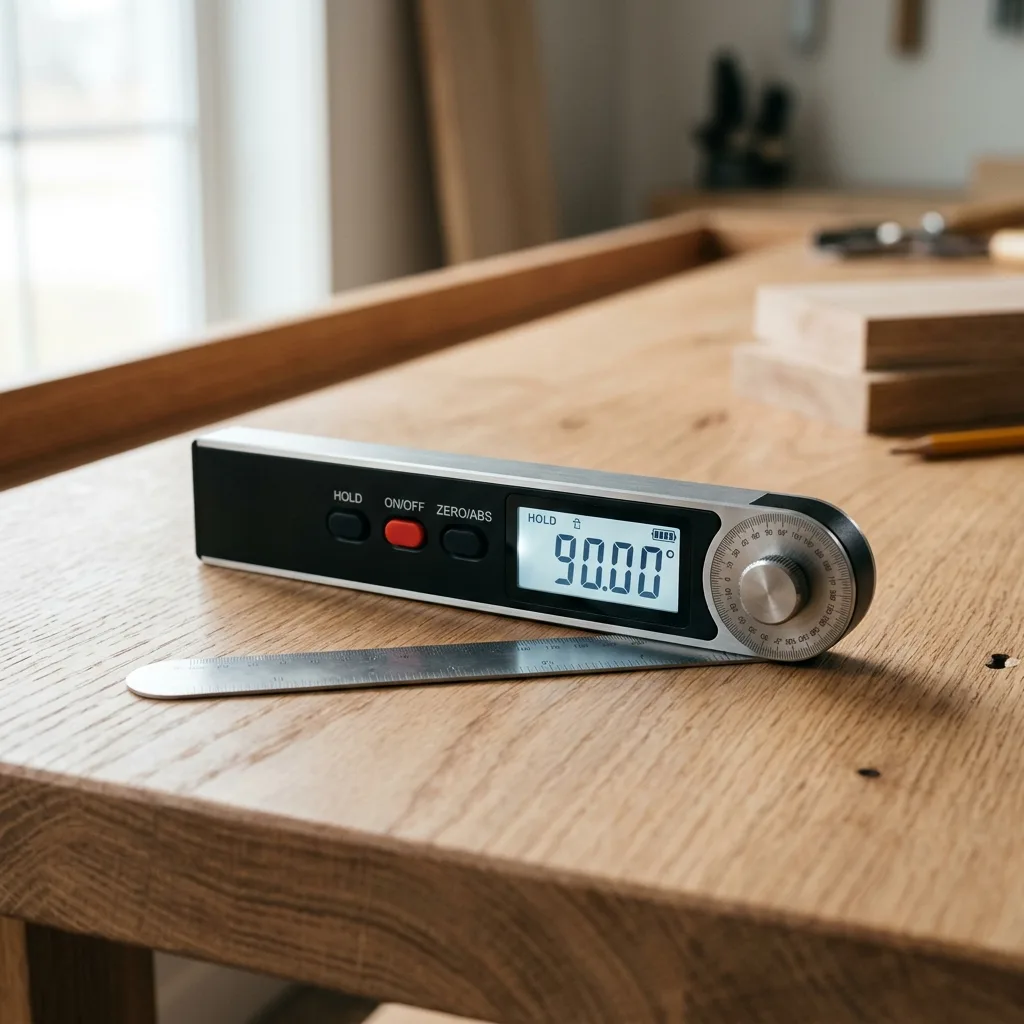
- Square the blade at 90° and check the 45° stop with a reliable square or angle gauge.
- Fit the riving knife and guard.
- Build a crosscut sled and push blocks — see our table saw jigs guide.

Beginner, intermediate, pro
Beginner: a jobsite saw with a good fence; learn rips and crosscuts with a sled and push blocks.
Intermediate: upgrade the blade, add a dado stack and a zero-clearance insert, and build a tenoning jig.
Pro note: when you move to a hybrid or cabinet saw, plan the electrical circuit, dust collection and outfeed table at the same time — they’re part of the machine, not accessories.
Questions woodworkers ask
What type of table saw is best for a beginner?
A jobsite table saw with a good fence and riving knife. It’s compact, affordable and safe when used correctly.
Is a jobsite table saw good enough for furniture?
Yes. With a quality blade and careful setup, a good jobsite saw cuts furniture parts accurately. Its limits are table size, rip capacity and power for very thick hardwood.
What is the difference between a hybrid and a cabinet saw?
Cabinet saws have heavy trunnions mounted to the cabinet, more power and more mass. Hybrids borrow the enclosed design at a lower weight and price, often running on 120V.
Do I need a flesh-sensing table saw?
It adds a valuable layer of protection against blade contact injuries but doesn’t prevent kickback. Whatever saw you choose, use a riving knife, guard and push blocks.
How much space does a table saw need?
Allow roughly 8 feet in front of and behind the blade for ripping long boards, plus room to the side for panels. Mobile bases and fold-down outfeed tables help in small shops.
Gear from this guide

WoodCraft Corner Editorial Team
WoodCraft Corner is an independent woodworking publisher. Our guides are researched from manufacturer documentation, published safety guidance and established woodworking references, and we update them when sources change or readers report a problem.

0 comments